Industry insights
Compostable Bags vs Plastic Bags – Which Is Better for the Future?
For decades, plastic bags have been widely used by businesses and households because they are cheap and convenient. However, growing environmental concerns have made many people question whether plastic is still the right choice. In 2026, more businesses are turning toward compostable bags as a smarter and sustainable alternative.
The comparison between compostable bags and plastic bags is no longer only about price—it is about long-term environmental impact, customer preference, and future readiness.
What Are Plastic Bags?
Plastic bags are made from petroleum-based materials and can take hundreds of years to decompose. During that time, they often break into smaller particles known as microplastics, which harm soil, water, and wildlife.
Common issues with plastic bags include:
- Long decomposition time
- Landfill waste buildup
- Pollution in rivers and oceans
- Harm to animals and marine life
Negative environmental image
What Are Compostable Bags?
Compostable bags are made from plant-based or biodegradable materials that naturally break down under composting conditions. They decompose much faster than plastic and leave behind organic matter instead of toxic waste.
These bags are ideal for:
- Retail stores
- Grocery shops
- Food businesses
- Waste collection
- Eco-conscious households
Manufacturers like Biometa Polypack provide high-quality compostable bag solutions for Indian businesses.
Key Comparison
1. Environmental Impact
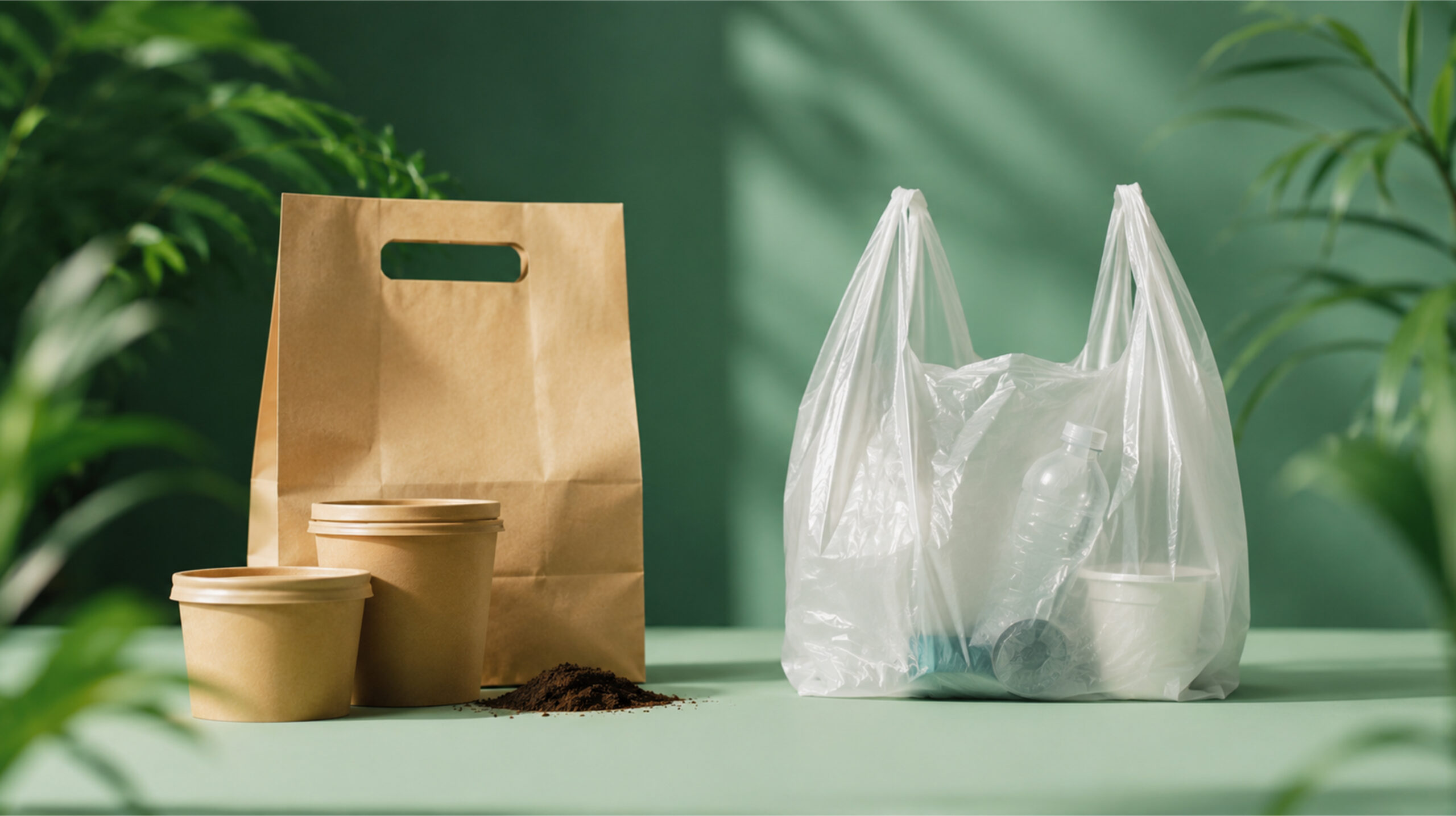
Plastic bags remain in the environment for years, while compostable bags break down much faster. This makes compostable bags a better option for reducing pollution.
2. Customer Perception
Modern customers prefer brands that use eco-friendly packaging. Businesses using compostable bags often gain more trust and positive brand image.
3. Regulations
With increasing restrictions on single-use plastic in India, compostable bags help businesses stay compliant and prepared for future regulations.
4. Performance
Today’s compostable bags are stronger and more durable than many people expect. They are suitable for everyday commercial use.
Which Is Better for the Future?
Plastic bags may still be common, but their environmental cost is too high. Compostable bags support cleaner cities, lower waste impact, and more responsible business practices.
As customer awareness rises and sustainability becomes essential, compostable bags clearly offer a better long-term solution.
Which Is Better for the Future?
Plastic bags may still be common, but their environmental cost is too high. Compostable bags support cleaner cities, lower waste impact, and more responsible business practices.
As customer awareness rises and sustainability becomes essential, compostable bags clearly offer a better long-term solution.
Why Choose Biometa Polypack?
Biometa Polypack helps businesses switch from plastic to dependable compostable packaging solutions.
Benefits:
- Eco-friendly bag options
- Strong product quality
- Bulk supply available
- Custom branding solutions
Conclusion
When comparing compostable bags vs plastic bags, the future clearly favors compostable packaging. It reduces environmental harm, improves brand image, and supports changing regulations.
Businesses that switch today are not only helping the planet—they are building a smarter future.
