
Industry insights
Compostable Nursery Bags: A Sustainable Solution for Modern Plant Nurseries
Plant nurseries play an important role in agriculture, landscaping, gardening, and environmental projects. From growing young plants to preparing them for transportation and transplantation, nurseries require reliable growing solutions at every stage.
Nursery bags are commonly used to hold plants during their early growth. However, traditional plastic nursery bags can contribute to plastic waste when they are removed and discarded. As sustainability becomes increasingly important, compostable nursery bags are emerging as an alternative for businesses looking to reduce their dependence on conventional plastic.
Compostable nursery bags can combine practical nursery requirements with a more environmentally conscious approach to plant cultivation.
What Are Compostable Nursery Bags?
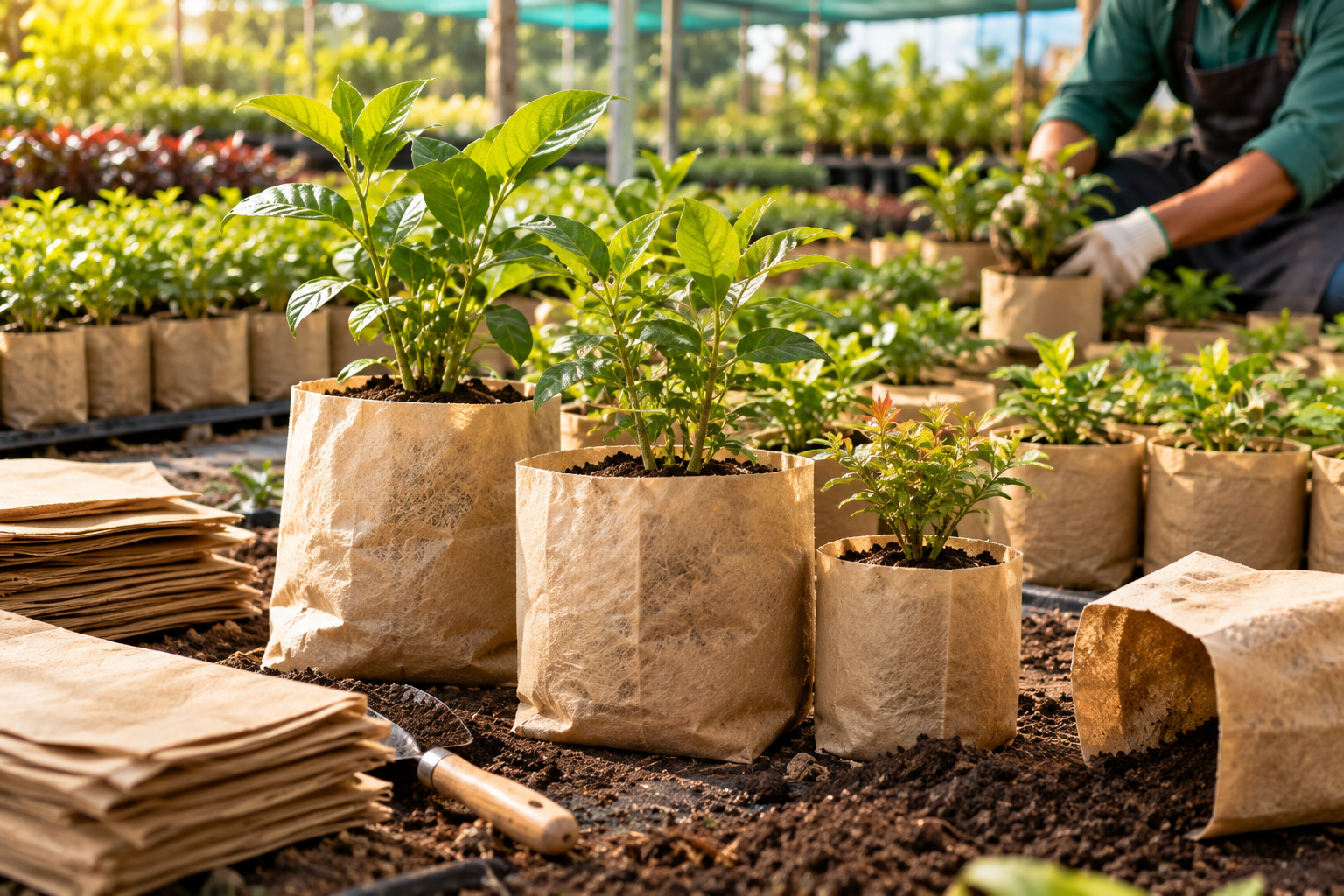
Compostable nursery bags are growing bags made using compostable materials and designed for nursery and gardening applications. They provide a container for plants during their development while being designed to break down under appropriate composting conditions.
Traditional plastic nursery bags may remain in the environment for a long time if they are improperly discarded. Compostable alternatives are designed with a different end-of-life approach.
Why Are Compostable Nursery Bags Important?
Nurseries can use a large number of bags during regular operations. Plants may be grown, transported, sold, and eventually transplanted into gardens, farms, landscaping projects, or larger growing areas.
This makes nursery packaging an area where businesses can consider more sustainable alternatives.
1. Reduces Dependence on Conventional Plastic
One of the major reasons nurseries consider compostable bags is to reduce their use of conventional plastic.
Replacing suitable plastic applications with compostable alternatives can help businesses take practical steps toward reducing plastic waste.
This is particularly relevant for nurseries that handle hundreds or thousands of plants during seasonal periods.
2. Supports Sustainable Nursery Practices
Modern customers and businesses are increasingly interested in sustainable practices. Garden centers, landscaping companies, agricultural businesses, and environmental organizations may benefit from incorporating sustainable materials into their operations.
Using compostable nursery bags can become one part of a broader sustainability strategy.
3. Supports Drainage and Aeration
A good nursery bag needs to support the basic requirements of plant growth. Drainage and aeration are important because excess moisture can affect roots and plant health.
Compostable nursery bags can be manufactured with suitable perforations to support drainage and air movement. The exact design should be selected according to the plant type and growing conditions.
4. Convenient Plant Handling
Nursery plants need to be moved frequently. They may be transported from production facilities to garden centers, customers, farms, or landscaping locations.
A suitable nursery bag should provide sufficient flexibility and strength for regular handling while keeping the growing medium contained.
Where Can Compostable Nursery Bags Be Used?
Compostable nursery bags can be considered for a wide range of plant-growing applications.
These include:
- Plant nurseries
- Garden centers
- Landscaping companies
- Home gardening
- Commercial horticulture
- Agricultural plantations
- Reforestation projects
- Environmental restoration projects
- Tree-growing programs
The required specifications can vary depending on the type and size of plant.
For example, a small ornamental plant may require a different bag size from a young tree intended for reforestation.
Factors to Consider When Choosing Nursery Bags
Selecting the right nursery bag is important for successful plant handling and cultivation.
Size
The bag should provide sufficient space for the plant’s root development and growing period.
Thickness
The thickness should be appropriate for handling, transportation, and the expected duration of use.
Drainage
Proper drainage is essential for managing excess water. Perforations should be suitable for the intended application.
Plant Type
Different plants have different root structures and growth requirements. The bag should be selected accordingly.
Transportation
If plants are transported frequently, the bag should have adequate strength and flexibility to withstand handling.
Compostability Requirements
Businesses should verify the compostability claims, certifications, and disposal conditions associated with the product.
Customized Compostable Nursery Bags
Every nursery may have different requirements. Therefore, customization can be an important part of selecting the right packaging.
Depending on the manufacturer, businesses may be able to specify dimensions, thickness, printing, color, and other product requirements.
Biometa Polypack provides customized compostable packaging solutions designed for different commercial and agricultural needs.
Customized nursery bags can help businesses maintain consistent specifications across large-scale nursery operations while supporting their sustainability objectives.
Compostable Packaging and Sustainable Agriculture
Agriculture and horticulture are increasingly exploring ways to use resources more responsibly. Packaging is only one part of this process, but it can still contribute to a broader sustainability strategy.
For nurseries, moving toward compostable solutions can help address plastic waste generated from growing and plant-handling activities.
At the same time, businesses should remember that compostable products need appropriate disposal conditions. Simply labeling a product as compostable does not mean it will break down effectively in every environment.
Proper waste segregation, composting infrastructure, and customer awareness are important parts of the overall process.
The Future of Sustainable Nursery Packaging
As sustainability becomes a stronger consideration across agriculture, gardening, and landscaping, the demand for alternatives to conventional plastic is likely to increase.
Compostable nursery bags provide businesses with an option to explore more sustainable plant-growing practices without ignoring essential requirements such as drainage, aeration, strength, and handling.
The future of nursery packaging will likely focus on balancing plant performance, durability, cost, and environmental responsibility.
Conclusion
Compostable nursery bags offer a practical alternative for nurseries, garden centers, landscaping companies, and agricultural businesses looking to reduce their dependence on conventional plastic.
