Industry insights
The Ultimate Guide to Compostable Packaging: Why It Matters in 2026
In an era where plastic pollution threatens ecosystems and wildlife, businesses and consumers alike are shifting toward sustainable alternatives. Compostable packaging represents the future of eco-friendly materials breaking down naturally without leaving microplastics behind.
What Is Compostable Packaging?
Compostable packaging is made from plant-based raw materials like cornstarch, PLA, and PBAT. Unlike conventional plastics that can persist for centuries, compostable alternatives fully biodegrade into water, CO₂, and nutrient-rich organic matter within months under the right conditions.
Benefits of Switching to Compostable Packaging
- Reduces environmental pollution and landfill waste
- Aligns with ESG (Environmental, Social & Governance) goals
- Improves brand reputation among eco-conscious customers
- Complies with global plastic regulations and bans
Common Compostable Products
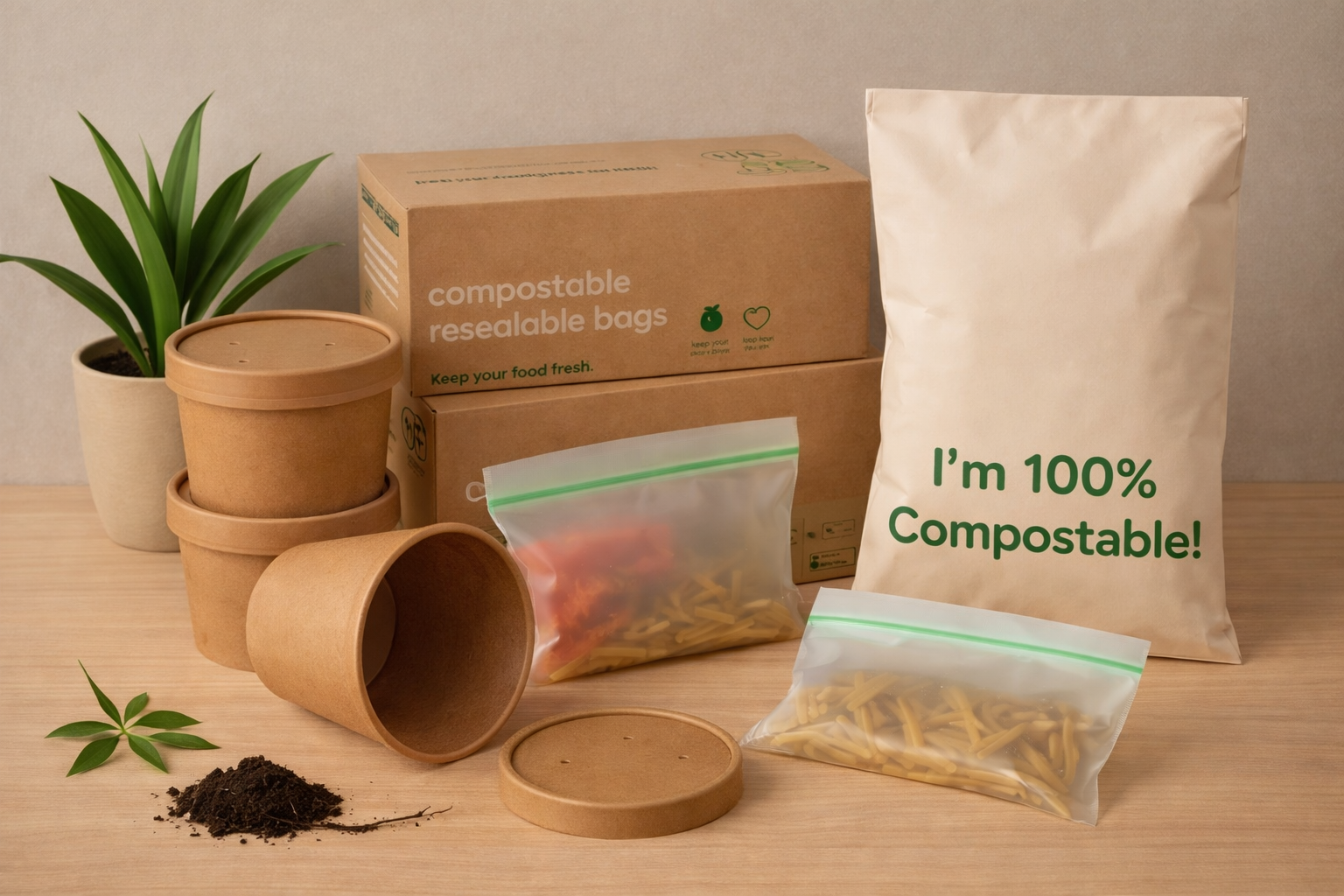
Explore a wide range of 100% compostable offerings:
- Grocery & shopping bags
- Produce bags (anti-fog, food-grade)
- Garbage and waste bags
- Hot liquid & dry clean bags
- Nursery & laundry bags
- Compostable stretch films
How to Compost Compostable Bags
Compostable packaging should be disposed of through organic waste systems or compost pits not regular plastic waste. In optimal composting conditions, these materials break down in 90–180 days.
Conclusion
By embracing compostable packaging, businesses protect the planet while offering functional, strong, and legally compliant alternatives to conventional plastic.
